Omnia HST
Home Service Technicians
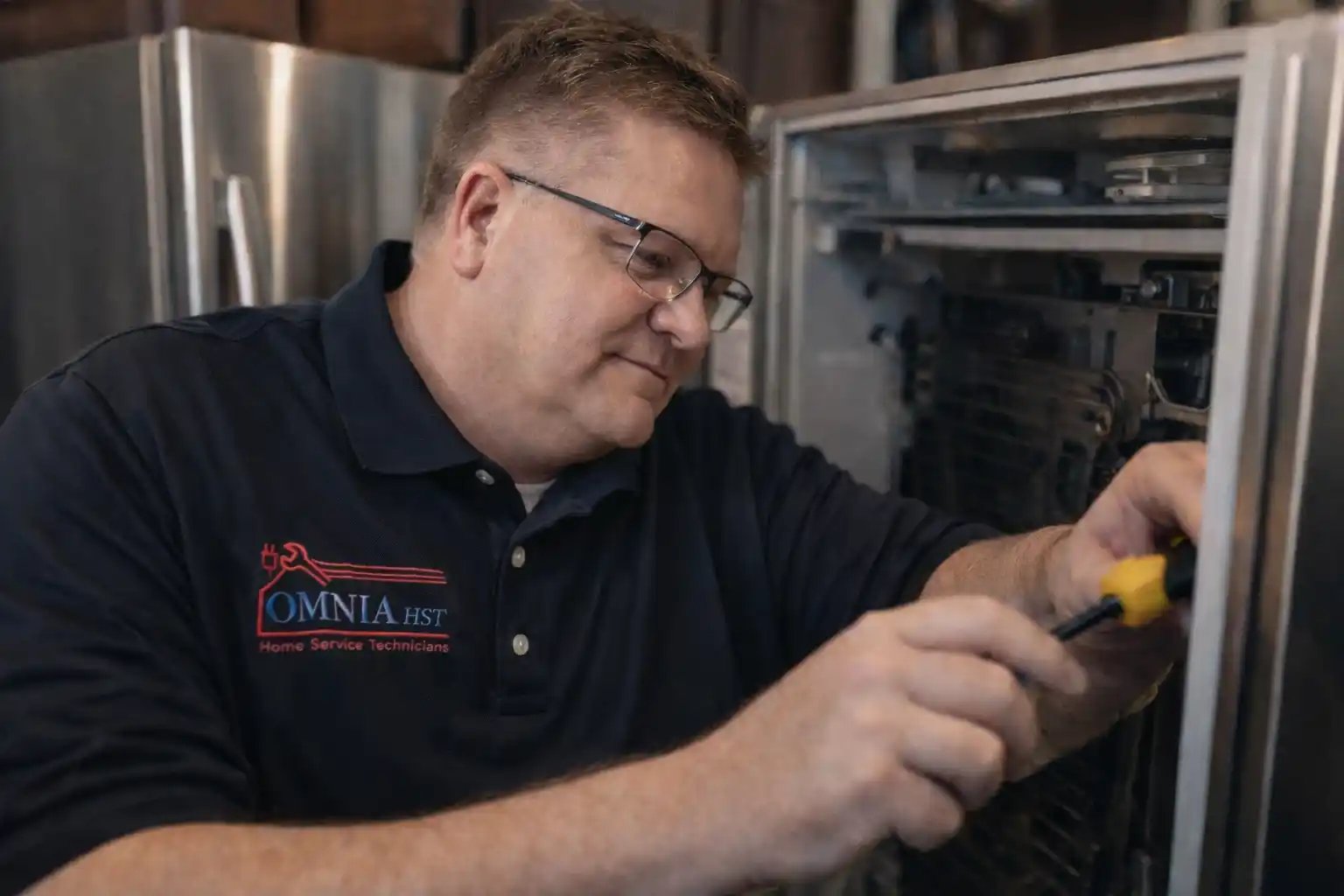
Led by Chris Sanders and a trained team, we repair washers, dryers, refrigerators, ovens, ranges, cooktops, and dishwashers across southern Tennessee and North Alabama.
Tell us you found us on the web!
Appliance Repair Across North Alabama & Southern Tennessee
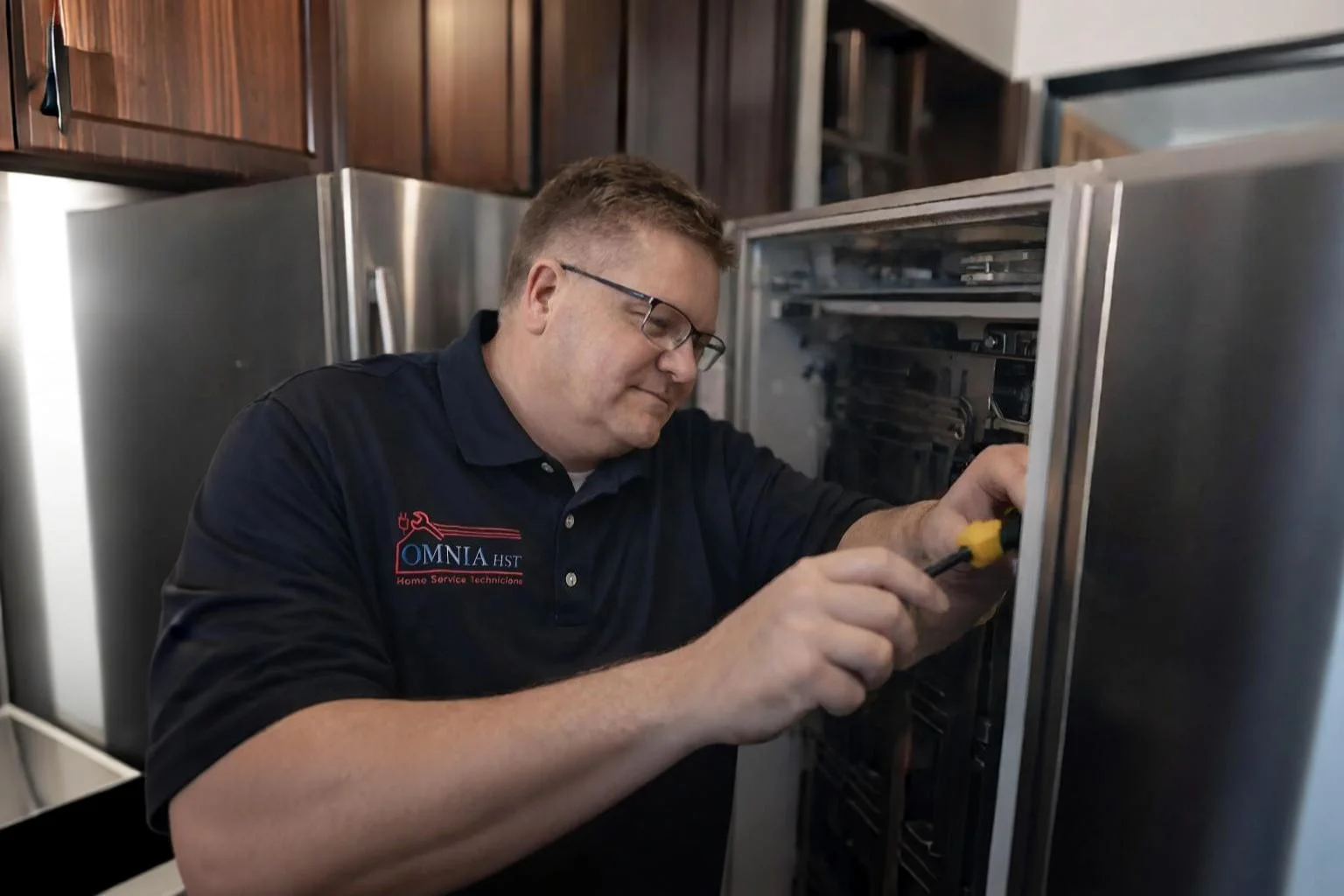
We are based in Huntland and we have been fixing appliances across the Tennessee Valley for more than 20 years. Chris Sanders leads the team, our technicians do the work, and we keep the most common parts on the truck so most repairs are finished in one visit. You get a straight answer and a fair price, not a runaround.
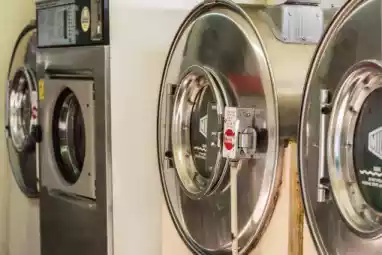
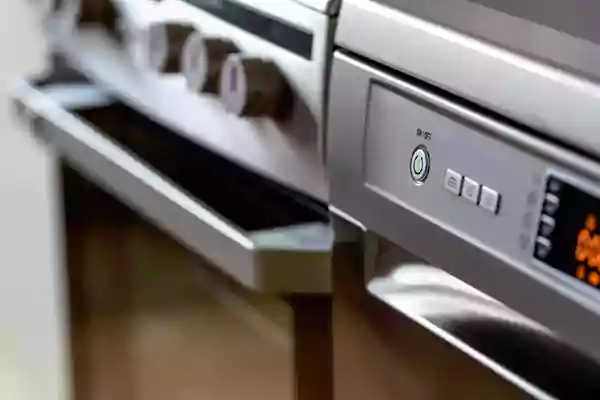
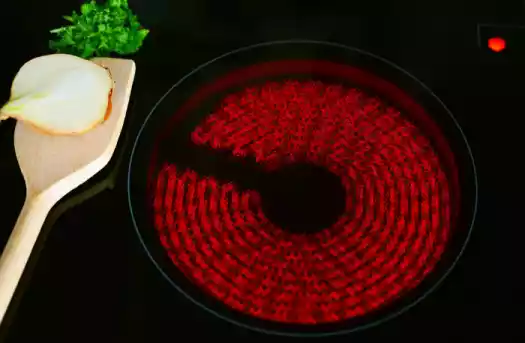
What We Repair
Professional, friendly appliance repair at fair prices.
Hear Our Radio Jingle
Omnia HST is on the air across the Tennessee Valley. Give it a listen - then give us a call!
🔊 Omnia HST Radio Jingle - then call 256-788-1231 to book your repair.
Common Appliance Problems We Fix
If your appliance is doing any of these, give us a call - we schedule fast, often same or next day when available.
- Refrigerator not cooling or too warm
- Freezer not freezing or frosting over
- Water leaking on the floor
- Ice maker not working
- Running constantly or too loud
- Washer won't spin or won't drain
- Leaking water during fill or spin
- Shaking or walking across the floor
- Won't start, fill, or finish a cycle
- Loud grinding or banging noise
- Dryer not heating or clothes still damp
- Takes multiple cycles to dry
- Won't start or stops mid-cycle
- Loud thumping or squealing
- Burning smell while running
- Oven won't heat or heats unevenly
- Burns or undercooks food
- Burner or oven won't ignite
- Self-clean cycle stuck or door locked
- Bad bake/broil element or igniter
- Burner won't light or won't heat
- Constant clicking from the igniter
- Cracked or unresponsive glass control
- Uneven or weak heating
- No spark or sparking won't stop
- Dishwasher won't drain - standing water
- Dishes come out dirty or filmy
- Leaking onto the kitchen floor
- Won't fill, start, or latch
- Not drying or has a bad odor
Brands We Service
From Whirlpool to Samsung - we service all major makes and models.
Why Homeowners Call Omnia
Two decades repairing appliances across the Tennessee Valley.
Honest diagnostics from technicians who take pride in the job.
Most major parts in stock so many repairs finish in one visit.
We explain the cost before we start - no upselling, no runaround.
How Our Appliance Repair Works
Simple, honest, and fast - from your first call to a working appliance.
Tell us the appliance, the brand, and what it is doing. We will get you a real time window.
A trained technician finds the true cause and explains the repair and the cost up front.
With most parts on the truck, the majority of repairs are done in a single visit.
Your appliance is tested and working. No upselling, no pressure, no runaround.
Proudly Serving North Alabama & Southern Tennessee
From Huntsville to Fayetteville and across the Tennessee Valley.
Appliance Repair Across North Alabama and Southern Tennessee
Omnia HST has been fixing appliances across the Tennessee Valley for more than 20 years. We work out of Huntland and cover both sides of the state line. Some days we are in a Huntsville kitchen, the next we are in a Lincoln County laundry room. That is normal for us. We handle washer, dryer, refrigerator, oven, range, cooktop, and dishwasher repair for homeowners in Huntsville, Madison, Decatur, Athens, Harvest, Hazel Green, Meridianville, New Market, Fayetteville, Winchester, Tullahoma, Ardmore, and the towns in between. Chris Sanders leads the team, our trained technicians do the work, and we fix all makes and models, often same-day or next-day when it is available.
We work on every major brand - Whirlpool, Maytag, GE, Frigidaire, Samsung, LG, KitchenAid, Amana, Electrolux, Bosch, Speed Queen, Kenmore, Hotpoint, and more. We carry the common parts on the truck - belts, pumps, valves, igniters, heating elements, thermostats, control boards, and door seals - so most repairs are finished in one visit, at a fair price we explain before we start.
Should You Repair or Replace Your Appliance?
It is the question we hear most, and the honest answer depends on the age, the condition, and what the repair costs. A solid refrigerator, washer, or dryer with one failed part is almost always worth fixing. A new one means delivery, installation, haul-off, and the gamble of a lemon. We give you a straight recommendation either way, even when it means less work for us. That is the standard Chris built the team on, and it is why folks across the Tennessee Valley keep calling us back.
Service That Shows Up and Gets It Right
A broken appliance never picks a good time - a warm fridge before a holiday, a dryer that quits with a full hamper, a dishwasher leaking across the floor. We schedule fast, give you a real time window, and send technicians who show up when they say and clean up after the job. Call 256-788-1231 to get your home running again, anywhere across North Alabama and Southern Tennessee.
What Our Customers Say
⭐ 5.0 average from 51 verified local reviews
Our dryer quit heating late on a Sunday night.
I called Omnia the next morning and they worked us in faster than expected. The technician showed up on time, diagnosed the issue quickly, and got straight to work.
No upselling, no pressu...
The technician was very polite and respectful from start to finish.
Chris explained the issue in plain terms and answered every question without making me feel rushed or uncomfortable.
I will absolutely call again the next time an appl...
Our refrigerator stopped cooling overnight and we were worried about losing a full load of groceries.
Chris came out the same day, diagnosed the problem quickly, and had it cooling again before supper.
Honest work, fair pricing, and no...
Our dishwasher was leaking water all over the kitchen floor.
Omnia found the issue fast and fixed it correctly the first time. The technician even wiped everything down before leaving.
That extra care made a big difference.
Pricing was fair and clearly explained upfront.
Omnia told me exactly what the repair would cost before starting, and that is exactly what I paid.
Hard to find that level of honesty anymore.
Our oven was no longer heating evenly and cooking had become frustrating.
Chris took his time testing everything and made sure the oven was working properly before leaving.
You can tell he takes pride in doing the job right.
Frequently Asked Questions
What services does Omnia HST provide?
We repair, install, and service home appliances - washers, dryers, refrigerators, freezers, ovens, ranges, cooktops, and dishwashers. Chris leads the team, our technicians do the work, and you get a straight answer on every call.
What types of appliances do you repair?
Washers and dryers, refrigerators and freezers, ovens, ranges, cooktops, and dishwashers. Top-load or front-load, gas or electric, older or new - if it runs your kitchen or laundry room, we work on it.
Do you work on all major appliance brands?
Yes. Our team works on the major brands you actually have at home - Whirlpool, Maytag, GE, Frigidaire, Samsung, LG, KitchenAid, Amana, Speed Queen, Kenmore, and more.
Do you offer appliance installation services?
Yes. We install appliances and make sure they are set up and running right, not just bolted in. If something is not draining, venting, or leveling the way it should, we handle it before we leave.
Do you provide same day appliance repair?
Sometimes, yes. It depends on the day, where you are, and what the appliance is doing. Call early and we will tell you what the schedule really looks like - same-day or next-day when it is available.
What areas do you service?
We cover southern Tennessee and North Alabama from our base in Huntland - Huntsville, Madison, Decatur, Athens, Fayetteville, Winchester, the lake towns, and the communities in between. If you are near the state line, give us a call.
How do I schedule a service call?
Call us or send the contact form and tell us what the appliance is doing. We will get you on the schedule and give you a real time window, not a vague all-day wait.
Do you charge a diagnostic fee?
Yes. There is a diagnostic fee so a trained technician can come out, find the real cause, and tell you exactly what the repair takes before any money goes into parts.
One Call Away
Leaking washer? Dryer not heating? Fridge not cooling? Let's get it fixed.